How to Book a Charter
Tamarindo has a deep roster of established charter operations, from single-boat captains who've fished these waters for decades to full-service fleets with multiple vessels. The best operators book up during peak season (December–April), so planning 2–4 weeks ahead is smart. Off-season, you can often book a few days out.
A few well-known operations based in or near Tamarindo:
- Capullo Sport Fishing — multi-boat fleet, deep-sea and inshore, strong local reputation
- Coyote Sport Fishing — experienced crew, consistent catches, good for first-timers
- Tamarindo Charter Company — operates from Marina Flamingo and Tamarindo, premium boats
- Sea Breeze Fishing Adventures — private inshore and offshore trips, family-friendly
- Go Fish Costa Rica — run by Steve and Liisa, personalized smaller-group charters
You can also browse and compare charters on FishingBooker.com, which lists 90+ boats in the Tamarindo area with verified reviews, photos, and instant booking. It's the Airbnb of fishing charters.
Pro tip: Book directly with the operator when possible — you'll often get a better price, and communication is smoother for special requests (fly fishing gear, kid-friendly setup, dietary needs).
What to Expect on the Boat
If you've never been on a fishing charter, here's how the day typically goes:
5:30–6:00 AM: Meet at the designated pickup point — usually on the beach in Tamarindo where the panga (small boat) takes you out to the charter anchored offshore, or at the marina in Flamingo if your boat docks there.
6:30 AM: Lines in the water. The captain runs to the fishing grounds while the mate rigs baits and sets the trolling spread. Offshore, this run takes 30–60 minutes. Inshore, you're fishing almost immediately.
7:00 AM – 2:00 PM: Fish. The captain reads the water — temperature breaks, bird activity, bait schools, current edges — and positions the boat. When a fish hits, the mate coaches you into the fighting chair or hands you the rod. They handle everything technical; your job is to hold on and enjoy the fight.
3:00–4:00 PM: Back at the dock. The mate cleans and fillets any fish you're keeping. Photos, handshakes, tips, and you're done.
Most boats have a shaded cabin, a cooler with drinks, a head (bathroom), and music. Full-day trips include lunch — usually sandwiches, fruit, and ceviche made from the morning's catch if you're lucky.

What to Bring
The charter provides all the fishing gear. Your job is to show up prepared for a day in the tropical sun on open water.
☀️ Sun Protection (Non-Negotiable)
- Reef-safe sunscreen SPF 50+ — apply before you leave, reapply every 2 hours. The equatorial sun reflects off the water and will destroy you.
- Buff/neck gaiter — protects your neck and face better than any hat
- Wide-brim hat or fishing cap — with a strap so it doesn't blow off
- Polarized sunglasses — with a croakie/strap. You will regret losing good shades overboard.
- Long-sleeve sun shirt (UPF) — lightweight, breathable, way better than re-applying sunscreen all day
💊 Comfort & Health
- Dramamine/Bonine — take it the night before AND the morning of. Even if you "never get seasick," the offshore swells are no joke. Non-drowsy formula is your friend.
- Light rain jacket — green season showers are brief but drenching
- Closed-toe shoes or deck shoes — flip-flops on a wet, rocking boat are a broken-toe waiting to happen
- Dry bag — for your phone, wallet, and anything that can't get wet
- Snacks — bring extra if you're picky. Most boats provide lunch but it's basic.
📸 Capture the Moment
- GoPro or waterproof camera — your phone works but saltwater spray is relentless. A GoPro on a chest mount captures the fight hands-free.
- Phone in a waterproof case — a Ziploc bag is the bare minimum
- Portable charger — your phone battery will die from camera use and GPS
- Tip: Many mates will photograph your catches for you — ask them to use your phone

Fishing Licenses
Here's the good news: if you're booking a sport fishing charter in Costa Rica, the license is handled for you. Reputable charter operators either include the sport fishing license in their price or hold a blanket commercial license that covers all anglers on board. You don't need to apply for or carry anything.
Technically, INCOPESCA (Costa Rica's fisheries authority) requires all anglers to have a sport fishing license. For tourists on charter boats, this is the operator's responsibility — not yours. If you're fishing independently from shore or a private boat, a tourist fishing license runs about $15 for 8 days or $30 for 30 days, available through INCOPESCA's website or local tackle shops.
What IS required: A valid passport. Carry a copy on the boat — coast guard checks are rare but they happen.
Catch-and-release laws: All billfish (sailfish, marlin) and roosterfish must be released. Violating this carries serious fines. Your captain knows the rules — follow their lead.
Tipping Etiquette
Tipping is customary and deeply appreciated in Costa Rica's fishing industry. The crew works physically demanding 10+ hour days in the sun, and tips are a significant part of their income.
Standard tip: 15–20% of the charter price.
- On a $1,500 full-day charter: $225–$300 total tip
- On a $400 half-day inshore: $60–$80 total tip
- Split between captain and mate, with the mate getting a slightly larger share (they do the heaviest physical work)
Tip more if the crew went above and beyond — exceptional catches, great attitude, extra effort with photos and fish handling. Tip in cash (USD is perfectly fine) and hand it directly to the mate at the dock. You can also tip the captain separately.
If the fishing was slow? Still tip the standard 15%. The crew can't control the fish — they controlled the effort. Poor service (bad attitude, lazy, unprepared) is the only reason to tip below standard.
Getting to Tamarindo
Two airports, one easy drive, and you're in fishing town.
✈️ Fly into Liberia (LIR)
Daniel Oduber Quirós International Airport in Liberia is the closest major airport — about 75 minutes to Tamarindo by car. Direct flights from major US hubs (Houston, Dallas, Miami, Denver, LA, Atlanta, Newark) make this the easiest option. Rent a car at the airport or arrange a private shuttle ($60–80 per vehicle).
✈️ Fly into San José (SJO)
Juan Santamaría International in San José has more flight options but it's a 4.5–5 hour drive to Tamarindo. Only worth it if your flights are significantly cheaper or you want to explore the Central Valley. You can also catch a domestic puddle-jumper from SJO to Tamarindo's airstrip on Sansa Airlines (~45 minutes, $80–120 one way).
🚗 When to Arrive
Arrive the day before your fishing trip. Flights get delayed, shuttles get stuck in traffic, rental car lines are long. You do not want to be rushing to the dock at 5:30 AM after landing at midnight. Arrive a day early, settle in, eat a good dinner, and get to bed early. Your alarm goes off at 5 AM.
Fishing with Kids & Families
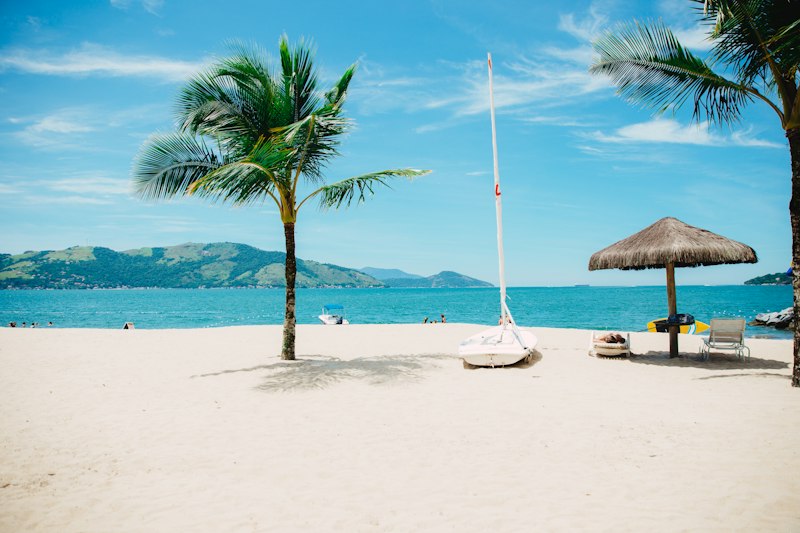
Tamarindo is one of the best fishing destinations for families — the town is safe, walkable, and the inshore fishing is perfect for kids. Here's how to set up a great family trip:
- Book inshore, not offshore. Calm water, constant action, no long boat rides. Kids catch jacks, snappers, and small roosterfish within minutes of leaving the beach.
- Half day is plenty. Four hours is the attention span sweet spot for kids under 12. Morning trips (6:30–10:30 AM) beat the afternoon heat.
- Ages 5+ can realistically fish with help. Under 5 can come along for the ride but won't do much actual fishing.
- Dramamine for everyone. Even inshore, some kids get queasy. Children's Dramamine exists — use it.
- Let the mate help. Good mates are great with kids. They'll bait hooks, hold the rod, and get excited about every catch. That's their job.
- Combo trips — some operators offer fishing + snorkeling combos. Fish in the morning, snorkel after lunch. Perfect for mixed-interest families.
Tell the charter company you're bringing kids when you book. They'll adjust the trip — smaller tackle, calmer waters, extra snacks, more patience.
First-Timer Tips
Things nobody tells you before your first fishing charter in Costa Rica.
Take Dramamine the night before
Seasickness ruins more fishing trips than bad weather. Take one dose the night before and one in the morning — even if you've been on boats your whole life. The offshore swells in the Pacific are different from anything on a lake or bay. Non-drowsy formula (meclizine/Bonine) is less sedating. Scopolamine patches work great for multi-day trips but need a prescription.
Eat a light breakfast
Toast, crackers, a banana. Nothing heavy, nothing greasy, nothing acidic. You want something in your stomach (empty stomach makes seasickness worse) but not a full plate of eggs and bacon that's going to revisit you at mile 15.
Watch the horizon, not your phone
If you start feeling queasy, look at the horizon — it gives your brain a stable reference point. Do NOT go below deck, stare at your phone, or try to read. Stand at the stern, face the wind, and keep your eyes on the distance. It works.
Bring cash for tips and dock food
Most charters are prepaid by card, but tips should be cash. Bring $200–400 in small bills (USD works everywhere). There are also food and drink vendors at the docks worth hitting after you land.
Don't fight the fish with your back
The mate will show you: pump and reel. Lift the rod tip (pump), then reel in line as you drop the tip. It's a rhythm, not a wrestling match. Use your legs and core, not your lower back. A 100-lb sailfish on 30-lb tackle is a serious physical effort — technique matters more than strength.
Let the crew do their job
Don't touch the outriggers, the live well, or anyone else's rod. The mate runs the cockpit. When a fish hits, they'll tell you exactly what to do — which chair, how to hold the rod, when to reel. Follow instructions and you'll be fine. Fight the urge to help unless asked.
Book a restaurant for your catch
If you keep mahi-mahi, tuna, or snapper, several Tamarindo restaurants will cook your fresh catch for a small fee ($10–15 per person). Ask your captain for recommendations or try Pangas Beach Club, Nogui's, or El Pescador. Bring the fish in a cooler or bag within a couple hours of landing.
Green season is underrated
May through November gets a bad rap because of rain, but the fishing is often better — marlin, mahi-mahi, and tuna peak in green season. Afternoon showers are brief (30–60 minutes), mornings are usually clear, and charter prices are 15–25% lower. The rain also cools everything down. Don't sleep on it.
What to Do in Tamarindo When You're Not Fishing
Smart anglers plan rest days between charters — your body needs recovery after fighting billfish for 8 hours, and mixing fishing with other activities makes for a better trip overall. Tamarindo has plenty to offer beyond the water.
Surfing: Tamarindo's main beach has one of the most consistent beginner-friendly waves in Costa Rica. Board rentals run $10–20/day from shops like Witch's Rock Surf Camp and Iguana Surf. Even if you've never surfed, a 90-minute lesson ($50–70) is a guaranteed good time. The best beginner conditions are at low tide during the dry season, typically 2–5 PM when the wind drops.
Beach hopping: Playa Langosta (10-minute walk south) is quieter and more swimmable than the main beach. Playa Grande (boat taxi across the estuary, $2/person) is a gorgeous, nearly deserted stretch of sand that's also a critical leatherback sea turtle nesting site. Playa Avellanas (20-minute drive) has the famous Lola's beach bar and excellent intermediate surf. Playa Conchal (30 minutes) has a unique crushed-seashell beach and crystal-clear snorkeling water.
Dining: Tamarindo punches well above its weight for food. Dragonfly Bar & Grill is consistently one of the best restaurants on the Gold Coast — creative fusion cuisine in a beautiful garden setting. Pangas Beach Club on Playa Langosta does exceptional seafood right on the sand. Nogui's is the casual local favorite that's been feeding fishermen since the '90s. And if you caught something worth cooking, most of these spots will prepare your fresh fish for a small fee.
Day trips: Rincón de la Vieja National Park (2 hours) has volcanic mud baths, hot springs, and jungle hiking. Palo Verde National Park (1.5 hours) offers boat tours through wetlands teeming with crocodiles, birds, and howler monkeys. The Catalina Islands (boat trip from Flamingo) have world-class diving and snorkeling with manta rays, sharks, and sea turtles.
Sample 5-Day Fishing Trip Itinerary
Here's how we'd structure a five-day fishing trip to maximize your time, your wallet, and your energy. This assumes you're arriving at Liberia Airport (LIR) and staying in or near Tamarindo.
Day 1 (Arrival): Fly into LIR, rent a car or arrange a shuttle ($60–80), and settle into your accommodation by late afternoon. Do NOT fish today — you need rest. Walk the beach, grab dinner at Nogui's or Langosta Beach Club, and go to bed early. Your alarm is set for 5:00 AM.
Day 2 (Full Day Offshore): Your big day. Full-day offshore charter targeting sailfish (dry season) or marlin and mahi (green season). Leave the dock at 6:30 AM, return by 3:00–4:00 PM. Six to seven hours of actual fishing time. Have your catch filleted at the dock, take it to Pangas Beach Club for dinner, and enjoy the best meal of your trip — fish you caught that morning, prepared by a professional chef, eaten on the beach at sunset.
Day 3 (Rest Day): Your arms and back need this. Go surfing, visit Playa Avellanas, take a zip-line canopy tour, or just beach it. No fishing. Your body will thank you tomorrow.
Day 4 (Half Day Inshore): Morning inshore trip targeting roosterfish, snapper, and jacks along the rocky points between Playa Tamarindo and Playa Langosta. You're done by 11:00 AM with time for a beach afternoon. Inshore trips are less physically demanding and the variety of species keeps it exciting. Budget $350–500 for the boat.
Day 5 (Departure): Sleep in, have a big breakfast, pack up, and make the 75-minute drive to LIR for your flight home. If your flight is late, squeeze in one more beach session or explore Liberia's central market for souvenirs.
Budget reality: Full-day offshore ($1,500–2,500) + half-day inshore ($350–500) + tips ($300–500) + 4 nights accommodation ($150–400/night) + car rental ($45–65/day) + food/drinks ($50–100/day) = roughly $3,500–6,000 total for a world-class fishing trip. Split the charters with friends and the per-person cost drops dramatically.
Pre-Trip Checklist
Print this, screenshot it, whatever. Just don't show up without thinking through these items.
📋 Before You Book
- Decide: offshore or inshore? (See Trip Types)
- Decide: half day, ¾ day, or full day?
- Check the fishing calendar for what's biting
- Book 2–4 weeks ahead in peak season (Dec–Apr)
- Ask about group size — most boats max at 4–6 anglers
- Confirm what's included (tackle, lunch, drinks, license)
- Ask about cancellation policy (weather cancellations are usually fully refundable)
🎒 Day-of Packing
- Reef-safe sunscreen SPF 50+ (applied before leaving)
- Polarized sunglasses with strap
- Hat with chin strap
- Long-sleeve UPF sun shirt
- Dramamine (taken night before + morning)
- Dry bag for electronics
- Camera / GoPro / waterproof phone case
- Cash for tips ($200–300+ depending on charter)
- Light snacks
- Deck shoes (not flip-flops)
- Light rain layer (green season)
- Copy of passport