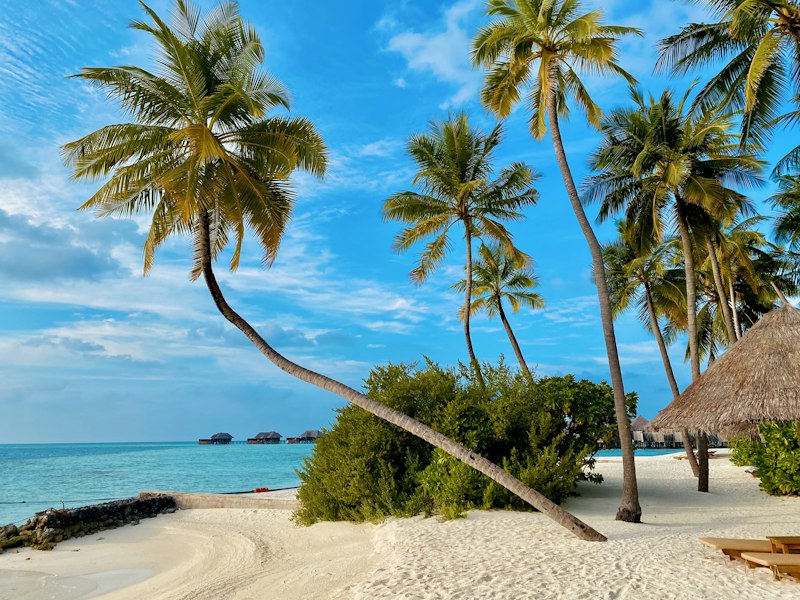
Offshore Big Game — Full Day
This is the flagship Tamarindo experience. A full-day offshore charter puts you 20–40 miles out in deep blue water, targeting sailfish, blue marlin, yellowfin tuna, mahi-mahi, and wahoo. You'll leave the dock around 6:30 AM and return by 3:00–4:00 PM — giving you 6–7 hours of actual fishing time after the run out.
Full-day boats range from 28-foot center consoles to 42-foot sportfishers with fighting chairs, outriggers, live bait wells, and tournament-grade tackle. The captain handles the boat and strategy; the mate rigs baits, manages lines, and coaches you through the fight.
Duration: 8–9 hours total | Price: $1,500–$3,000 (entire boat, 4–6 anglers)
Includes: All tackle and bait, captain and mate, lunch, drinks (water, soda, beer), fish cleaning and filleting.
Best for: Anglers targeting billfish, tuna, and big pelagics. Serious fishing groups who want maximum time on the water.
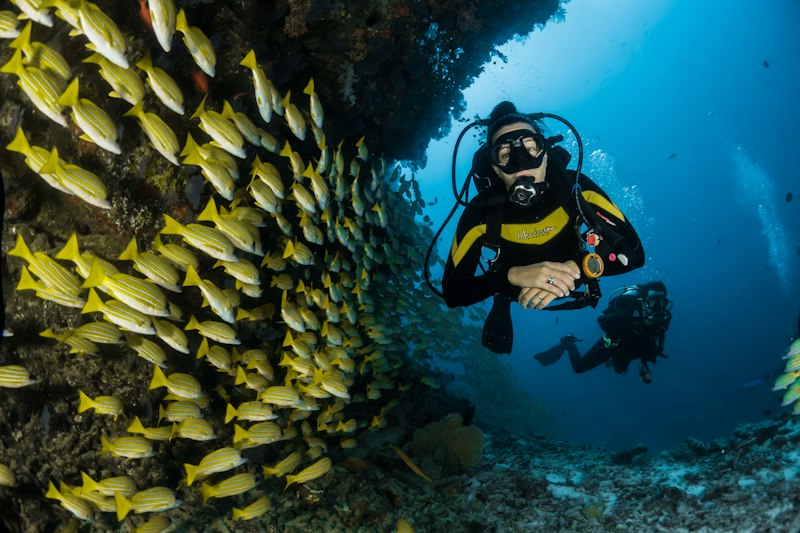
Offshore — Half Day & ¾ Day
Can't commit to a full day? Half-day offshore charters (4–5 hours) are a solid option, especially in peak sailfish season when the fish are close. You won't reach the deep marlin grounds, but sailfish, mahi-mahi, and smaller tuna are absolutely in play within the half-day range.
Three-quarter day trips (6 hours) split the difference — enough time to make the offshore run and get 3–4 solid hours of trolling. This is the sweet spot for many first-time offshore anglers: enough time to hook into something serious without spending the whole day at sea.
Half Day: 4–5 hours, $850–$1,500 | ¾ Day: 6 hours, $1,200–$2,200
Includes: All tackle and bait, captain and mate, snacks, drinks.
Best for: First-time offshore anglers, mixed groups, families with younger kids, or anyone who wants afternoon beach time.
Inshore Fishing — Half & Full Day
Inshore trips are the hidden gem of Tamarindo fishing. You fish within a mile of shore along rocky points, river mouths, and sandy beaches — targeting roosterfish, jack crevalle, snapper, snook, and mackerel on lighter tackle that lets every fish fight to its full potential.
These trips run on smaller boats — 23–28 foot pangas or center consoles — with live bait or casting lures. The action is often fast and constant. On a good roosterfish day, you might hook 5–10 fish before lunch. The calm, shallow water also makes inshore trips ideal for families with young kids or anyone prone to seasickness.
Half Day: 4–5 hours, $350–$600 | Full Day: 7–8 hours, $600–$900
Includes: Light tackle, live bait, captain/guide, drinks, fish cleaning.
Best for: Families, first-timers, roosterfish enthusiasts, budget-friendly groups, anyone who gets seasick offshore.
Fly Fishing — The Purist's Trip
Tamarindo offers legitimate saltwater fly fishing for anglers who want the ultimate challenge. The primary targets are roosterfish on 10–12 weight rods (one of the premier fly rod species in the world), plus jack crevalle, snook, and smaller snapper species on 8–10 weights.
Fly fishing trips are specialized — you need a captain who understands fly presentation, positioning, and timing. Not every charter operation offers this, but the ones that do provide an experience that's hard to find anywhere else: sight-casting to roosterfish cruising the sandy flats in waist-deep water, or popping flies along the rocky structure for snook.
Duration: Half or full day | Price: $500–$1,000 (specialized guide + equipment)
Bring: Your own fly gear if possible — most guides carry 10-weight setups, but your own rod always fishes better.
Best for: Experienced fly anglers looking for exotic saltwater species. Intermediate casters can handle jacks and snapper.
A Day on the Water in Tamarindo
From offshore trolling to inshore action — here's what a Tamarindo fishing trip really looks like.
What's Included (& What's Not)
Most reputable Tamarindo charters are all-inclusive. Here's the standard breakdown.
✅ Typically Included
- All fishing tackle, rods, reels, and terminal tackle
- Live bait and/or trolling lures
- Experienced captain and mate
- Drinks: water, sodas, and usually beer
- Lunch (on full-day trips)
- Snacks and fresh fruit
- Fish cleaning and filleting at the dock
- Safety equipment and first aid
❌ Usually Not Included
- Gratuity: 15–20% is standard for good service. Tip the mate directly — they work incredibly hard.
- Fishing license: Some charters include it, some don't. Ask when booking. (~$15/week from INCOPESCA)
- Taxidermy/mounting: If you want a replica mount of your catch, that's separate.
- Hotel pickup: Most charters offer beach pickup by boat; hotel transport may cost extra.
- Your own drinks/food: You can usually bring your own if you have preferences.
How to Choose the Right Trip
First time fishing / family with kids?
Go inshore, half day. The water is calm, the action is constant, and nobody gets bored or seasick. Roosterfish and jacks are exciting catches that keep everyone engaged. Budget $350–500 total.
Want a sailfish or marlin?
Full-day offshore on a 32+ foot sportfisher. You need the range to reach billfish grounds and the time to put in enough trolling passes. December–April for sails, May–November for marlin. Budget $1,500–2,500.
Experienced angler on a budget?
¾ day offshore on a center console. You'll reach the fishing grounds faster, spend less on fuel, and still have a legitimate shot at sails, tuna, and mahi. Budget $1,200–1,800.
Mixed group — some fish, some don't?
Book a half-day trip (offshore or inshore) and let the non-anglers enjoy the boat ride and scenery. They can swim, snorkel, and enjoy the views while you fish. Some charters offer combo fishing/snorkeling trips.
Multi-day fishing vacation?
Mix it up: one full day offshore, one half day inshore, one rest day. This gives you the best of both worlds without burning out. Many operators offer multi-day discounts — ask when booking.
Fly fishing for roosterfish?
Book a specialized fly fishing guide, not a general charter. You need a captain who can spot and position for fly presentations. Bring your own 10–12 weight gear if you have it. Best months: May–October.
Tipping Etiquette
Tipping is customary and appreciated in Costa Rica's fishing industry. The standard is 15–20% of the charter price, given directly to the mate (who does the hardest physical work) with a portion for the captain. On a $1,500 full-day charter, $225–300 split between captain and mate is appropriate.
If the crew goes above and beyond — catching your target species, great attitude, extra effort with fish handling and photos — tip on the higher end. These guys are on the water 250+ days a year, and tips are a significant part of their income. Cash (USD or colones) is preferred.
Playa Flamingo Marina vs. Tamarindo Beach Launch
One question that catches first-timers off guard: where does my charter actually leave from? Tamarindo doesn't have a traditional marina — most charters use a beach launch system where a small panga ferries you out to the anchored sportfisher through the surf. It sounds adventurous (and it is), but it works smoothly and captains have been doing it for decades.
The beach launch process: you meet your captain at the designated pickup point on Playa Tamarindo around 6:00–6:30 AM. A panga pulls up to the sand, you wade out knee-deep, climb aboard, and motor out to the charter boat anchored just offshore. Total time: 10 minutes. You'll get your feet wet — wear shoes you don't mind getting sandy and bring a dry bag for your phone and wallet.
Playa Flamingo marina is about 25 minutes north of Tamarindo by car and operates like a traditional fishing port — you walk down a dock, step onto your boat, and go. Larger sportfishers (35+ feet) that can't beach-launch typically operate from Flamingo. The marina has fuel, ice, fish-cleaning stations, and a few restaurants. If you're booking a premium sportfisher for a serious offshore day targeting marlin, your boat may well be docked at Flamingo.
Which is better? Neither — it depends on the boat. The beach launch is perfectly safe and has a certain charm to it. The Flamingo marina is more conventional and comfortable for families. What matters is the captain and the fishing, not the departure point. When booking, ask where you'll be departing from so you can plan your morning logistics accordingly.
Combo Trips: Fishing + Snorkeling, Surfing, or Wildlife
Not everyone in your group wants to spend 8 hours on a fishing boat — and that's perfectly fine. Tamarindo's location makes it easy to combine a fishing day with other activities, either on the same boat or by splitting the group.
Fishing + Snorkeling: Several inshore charter operators offer combo trips where you fish in the morning (targeting roosterfish, snappers, and jacks along the rocky points) and then motor to a snorkeling spot in the afternoon. The reefs around Playa Flamingo and the Catalina Islands (about 45 minutes by boat) offer excellent visibility and marine life. These combos run $600–900 for a full day and are perfect for families where some members would rather be in the water than holding a rod.
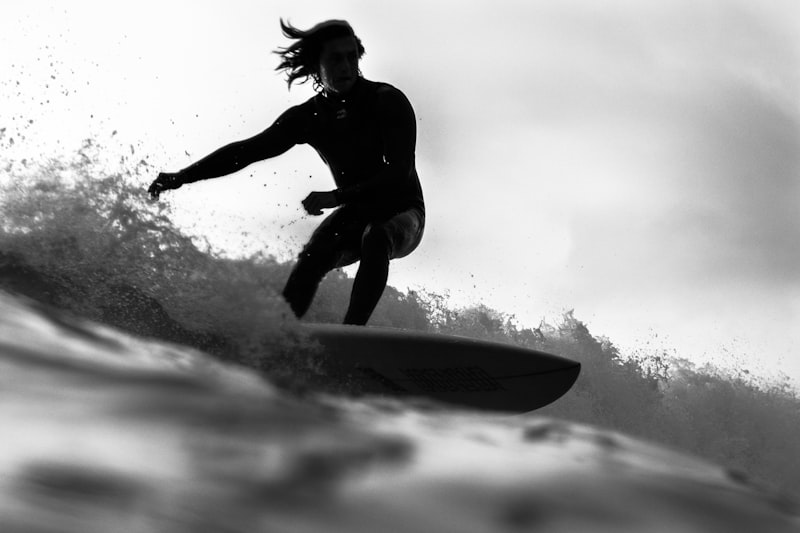
Fishing + Surfing: Tamarindo is a world-class surf town. A popular play for surf-fishing groups: fish in the morning (charters return by 1–2 PM), then grab a board rental ($10–20/day from shops like Witch's Rock Surf Camp or Iguana Surf) and catch the afternoon glass-off session at Playa Tamarindo's beginner-friendly break. The surf is typically best for beginners from 2–5 PM when the wind drops and the swell cleans up.
Fishing + Wildlife: Tamarindo is surrounded by incredible biodiversity. Playa Grande — just across the estuary from Tamarindo — is one of the most important leatherback sea turtle nesting beaches in the world (October–March). Howler monkeys, iguanas, and coatis are visible daily in the trees around town. Palo Verde National Park (1.5 hours) and Rincón de la Vieja volcano (2 hours) make excellent day trips on your non-fishing days.